


Hybrid and Immersive Brand Experiences: 4 Event Formats That Actually Deliver in Egypt, KSA and UAE
Different goals need different experiences. Four formats dominate experiential briefs in the region - product activations, immersive brand storytelling, community and networking experiences, and digital or hybrid events. This guide explains what each one is genuinely good at, what it costs operationally, and how to pick the right one instead of the most impressive one.
Four formats, four different jobs
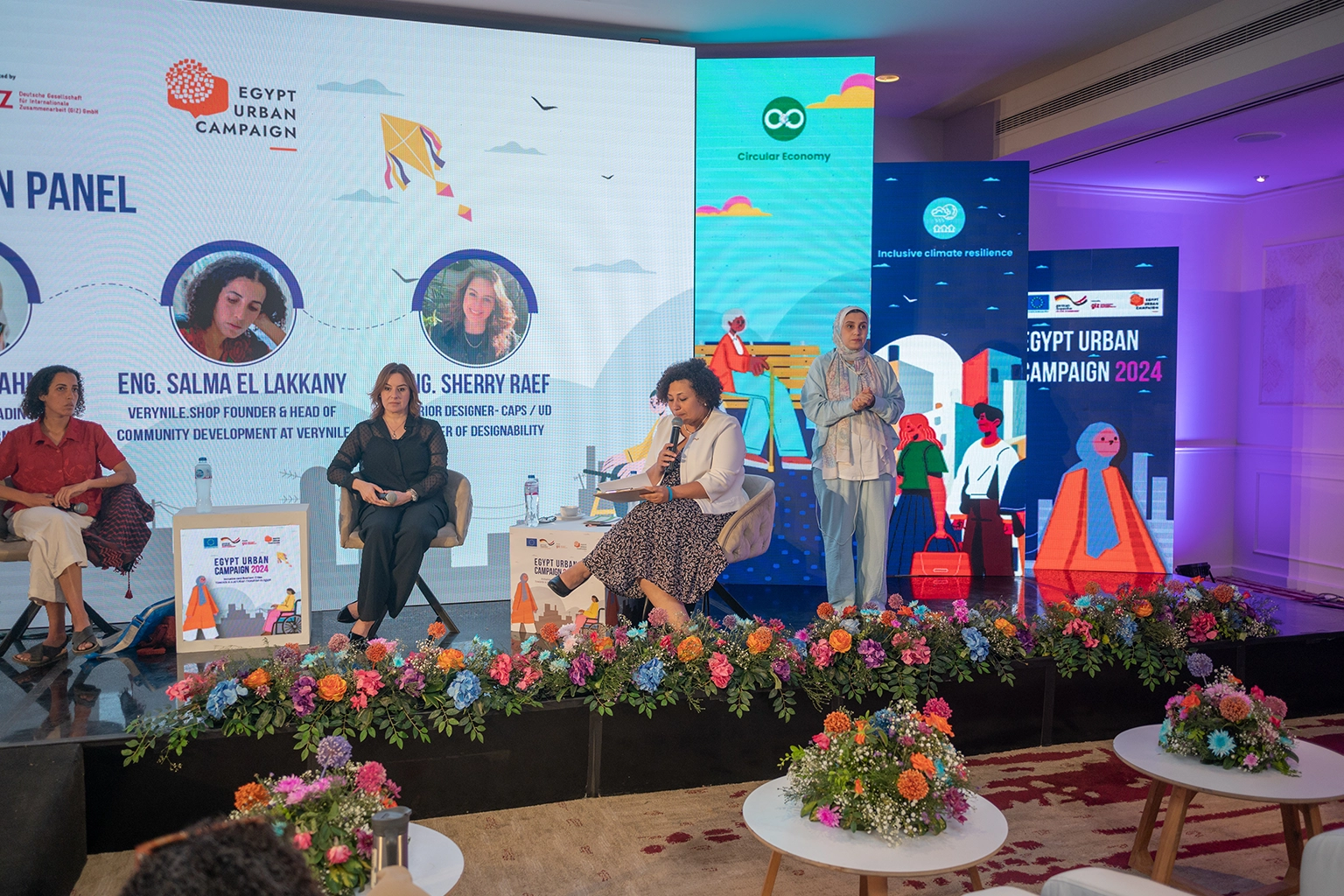
Most experiential briefs arrive describing a format rather than a goal: "we want an immersive experience", "we need something hybrid". The format is the answer, not the question - and choosing it before defining the job is how brands end up with a beautiful build that reached four hundred people when the objective needed four thousand, or a livestream nobody watched past minute six.
Each of the four formats below solves a genuinely different problem. Read them as a menu against your objective, not as a ranking.
| Format | The job it does | Reach profile | Main cost driver | Where it fails |
|---|---|---|---|---|
| Product activation | Direct product contact and trial | Medium reach, high depth | Fabrication and staffing | Throughput too low for the target |
| Immersive brand storytelling | Shift perception and generate content | Lower reach, highest memorability | Design, build and technology | Impressive but not interactive |
| Community and networking | Build relationships and repeat contact | Small, highly qualified | Curation, hosting, venue | Wrong guest mix, no facilitation |
| Digital and hybrid | Extend reach beyond the room and across markets | Highest reach, variable depth | Platform, crew and second content track | Remote audience treated as an afterthought |
The strongest programmes rarely use one format alone. An immersive build creates the story, an activation drives trial, a hybrid layer carries it to other markets, and a curated networking evening converts the qualified few into relationships. What breaks budgets is running all four without deciding which one carries the primary objective.
1. High-impact product activations
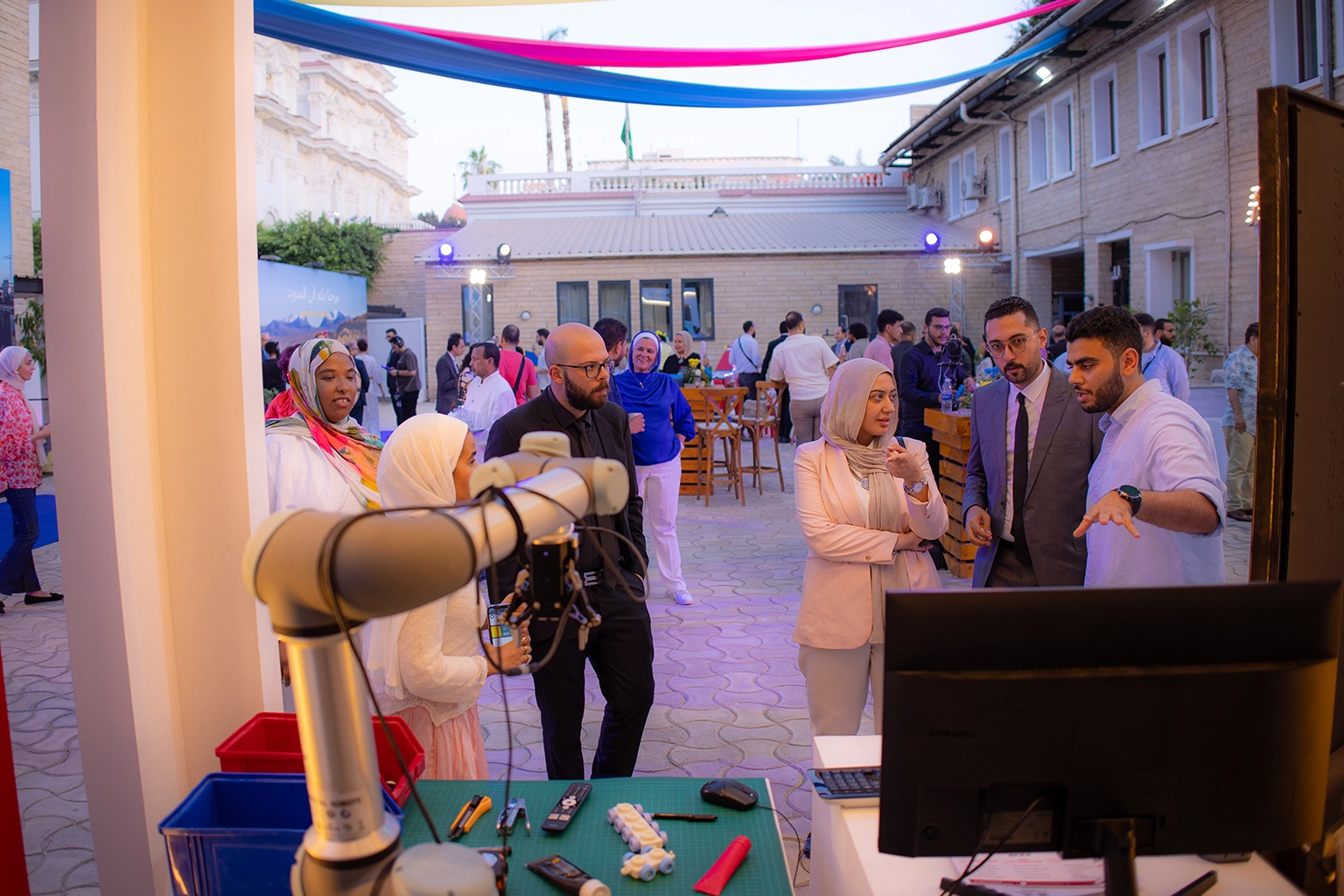
The job: get the product into people's hands. Everything else - the structure, the graphics, the staff - exists to make that contact happen and to make it memorable enough to survive the walk home.
Activations work when the product benefits from being experienced rather than described: anything with a taste, a texture, a sound, a speed, or a result that has to be seen. They underperform when the product is abstract and the activation ends up demonstrating a brochure.
What decides the outcome: throughput. An interaction that takes three minutes at a single station serves roughly twenty people an hour. If the brief says two thousand people, the concept needs multiple parallel stations or a shorter interaction - a design decision, not something to solve on the day by letting the queue grow. Staffing is the second lever: an unstaffed station is a display, and a visitor who is not greeted within a few seconds walks on.
Budget reality: custom fabrication and staffing dominate, with consumables the line that runs out at midday when footfall beats the estimate. Build in a stock buffer and a mid-day replenishment plan.
2. Interactive brand storytelling and immersive experiences
The job: change what someone believes about the brand by putting them inside a narrative rather than in front of one. This is the format with the highest memorability per visitor and the highest risk of expensive failure.
Immersive works when the audience has time and is willing to give attention - inside a conference, at a launch, in a destination space, or as a ticketed experience. It fails in transit environments where people have seconds, and it fails when it is built to be looked at rather than entered. The most common and costly mistake in this format is a spectacular installation that visitors photograph from outside and never interact with, because nobody designed a way in.
What decides the outcome: a defined entry action. There must be an obvious first thing to do - a door, a handle, a screen, a question, a host who invites you in. Second, a scripted sequence with an end: immersive experiences that have no conclusion leave visitors drifting out mid-story with nothing to carry away.
Budget reality: design and technology carry the cost, and the technology carries the risk. Every interactive element is a point of failure across an eight-hour day - budget for on-site technical support and a manual fallback for anything screen-driven, because a dark interactive wall is worse than no wall.
3. Community-driven and networking-focused experiences

The job: build relationships that outlast the evening. Small, curated, and judged on the quality of who was in the room rather than how many.
This format has the lowest production cost and the highest dependence on two things production cannot fix: the guest list and the hosting. Fifty of the right people in a plain room beats four hundred of the wrong ones in a spectacular one. Curation is the work - defining who must be there, why they would come, and what mix produces useful conversations.
What decides the outcome: facilitation. Networking does not happen because people are in the same space; it happens because someone designed a reason to talk and made introductions. That means a host with a briefed guest list, a format that breaks the room into conversations rather than leaving it as one crowd, and a room layout that supports standing conversation - which usually means fewer chairs, not more.
Budget reality: venue and hospitality dominate, and the temptation is to over-produce. Resist it. Money spent on securing three genuinely senior attendees returns more than money spent on lighting the room they stand in. Sara Events covers this format in detail in its guide to planning business networking events.
4. Digital and hybrid experiences
The job: extend the event beyond the people who can physically attend - across cities, across markets, or to an audience that was never going to travel.
Hybrid is the format most often bought casually and delivered badly, because it looks like an add-on to a physical event when it is actually a second event running in parallel with its own audience, its own content needs and its own production requirements.
Why most hybrid events fail the remote audience
The failure is almost always the same: the remote audience is treated as an overflow rather than as a first-class audience. A single wide camera on a room, sound taken from a house microphone that misses every audience question, a chat nobody monitors, and a three-hour agenda designed for people who are physically present and cannot leave. Remote attention behaves nothing like room attention - it competes with an inbox, and it leaves silently.
What hybrid actually requires
Proper room microphones so remote participants hear questions from the floor, not just the stage. A managed platform with someone operating it. A camera plan rather than a camera. A moderator whose job includes the remote audience - bringing their questions into the room so being remote is not second class. And a compressed agenda for the remote track, because the same content that holds a room for three hours holds a screen for about forty minutes.
What hybrid actually costs
Three lines that a physical-only budget does not carry: the platform or streaming service; the crew and equipment - cameras, an operator, a vision mixer, dedicated audio feed, and reliable connectivity, which in many venues means a dedicated line rather than the house wifi; and the second content track, meaning someone producing the remote experience while the physical event runs.
Add a fourth consideration for regional programmes: if a session is streamed across Egypt, KSA and the UAE, time zones and working weeks differ. A live session that suits Cairo at 2pm may land badly in the Gulf, and a recorded-plus-live model often outperforms a purely live one.
Hybrid is not a physical event with a camera in the room. It is two events with one agenda - and the one on screen has forty minutes of attention, not three hours.
Sara EventsOne further point that decides hybrid outcomes and is almost never in the brief: who owns the chat. A remote audience with an unmonitored comment stream is an audience talking to itself while the event happens elsewhere. Assign a named person to read it, surface the good questions to the moderator, and answer the practical ones directly. It costs one person for the duration and it is the difference between remote participation and remote viewing.
Where hybrid genuinely wins: multi-market announcements, distributor or partner briefings where travel budgets do not exist, training and certification programmes, and any event where the recording has a longer commercial life than the day itself.
Choosing between the four
Work backwards from the objective, not forwards from the idea.
Measuring each format honestly
The four formats cannot share a scorecard, and forcing them onto one is how brands conclude that experiential "does not work". Each needs its own primary measure plus a cost figure that makes it comparable to itself next year.
Product activation. Primary measure: completed interactions - people who actually tried the product, not people who passed. Secondary: data captured with consent, samples distributed, and stopping power (people who entered divided by people who passed). Report cost per completed interaction.
Immersive brand storytelling. Primary measure: average dwell time, because the entire premise is holding attention long enough to shift perception. Secondary: completion rate through the full sequence, content created by visitors, and a short two-question exit sentiment check. Report cost per completed journey.
Community and networking. Primary measure: quality of attendance - how many of your named target guests actually came, not the headcount. Secondary: introductions made, meetings booked afterwards, and repeat attendance at the next edition, which is the single best indicator that the format is working. Report cost per target guest hosted.
Digital and hybrid. Primary measure: average view duration, not registrations or peak concurrent viewers. Registrations measure your invitation; duration measures your content. Secondary: interaction from remote participants such as questions asked, plus on-demand views in the thirty days after the event, which is where hybrid quietly earns most of its value. Report cost per engaged remote viewer.
Set these before the build, assign one person to collect them, and keep the definitions identical year over year. A consistent imperfect metric is far more useful than a perfect one you only measured once.
Two practical filters before committing. First, reach versus depth: activations and hybrid buy reach, immersive and networking buy depth, and no format buys both at once no matter what the proposal says. Second, repeatability: if the same idea has to run in Cairo and then in Riyadh or Dubai, design modular from the start - transportable structures, bilingual content prepared up front, and a documented build guide. Retrofitting a single-market build for a second country almost always costs more than designing for it at the outset.
Delivering all four inside one team
Sara Events designs and delivers all four formats as part of its corporate event management scope: concept and design, fabrication and build, production and technical management including staging, lighting, sound and LED, streaming and hybrid production, registration and delegate flow, staffing, photography and videography, and on-ground delivery across Egypt, KSA, UAE and the wider region.
The practical advantage of one team is not the service list - it is that the formats stop competing with each other. When the immersive zone, the activation stations and the streamed main stage are planned by separate suppliers, the stream cuts to a wide shot of an empty room while the audience is queuing at the activation. When one production lead owns the run-of-show, the camera is where the audience is.
The recap below shows a multi-format programme delivered end to end - themed exhibition zones, interactive areas, moderated main-stage sessions and content capture running throughout.
Frequently asked questions
What is the difference between a hybrid event and a streamed event?
A streamed event broadcasts a physical event to viewers who watch passively. A hybrid event is designed for both audiences to participate - remote attendees can ask questions, take part in sessions and be seen by the room. The difference shows up in the budget as room microphones, a moderator responsible for the remote audience, and a platform someone is actively operating.
How much more does hybrid cost than a physical-only event?
There is no reliable multiplier, and any supplier quoting one is guessing. Budget it as three additional lines - platform, crew and equipment, and the second content track - and get each quoted separately so you can see what you are actually buying.
How long should a hybrid session be?
Design the remote track for roughly forty minutes of continuous attention, then break or hand over. If the physical agenda runs longer, split the remote programme into segments rather than streaming the full day, and make the recording available afterwards for the parts remote attendees skip.
Can an immersive experience work in a mall or public space?
Only if the interaction is short and the entry is obvious. Public and transit environments give you seconds, not minutes - so the format shifts toward activation logic: quick, legible from a distance, staffed, and repeatable at speed. A full narrative immersive build belongs where the audience already has time.
Which format gives the best return?
The one matched to the objective. Activations win on trial and data capture, immersive on perception and content, networking on relationship quality, hybrid on reach and content longevity. Comparing them on a single cost-per-head figure will always mislead you, because they are not buying the same thing.
Key takeaways
Different goals need different experiences - and the right concept turns an event into a real brand moment.
Request a Tailored ProposalPlanning an experiential or hybrid event?
Share the objective and Sara Events will recommend the right format - concept, build, production, streaming, staffing and on-ground delivery included.
- Response within 24 hours
- Dedicated account manager
- Free initial consultation