


Exhibition & Trade Show Management: Logistics, Setup, and On-Site Execution
On a live show floor, the booth is only the visible part. What decides the result is the operating model behind it: freight moving on time, labor matched to venue access, one master schedule, and a closeout the sales team can act on. This guide breaks the delivery chain into its practical stages.
What exhibition and trade show management has to cover on a live show floor
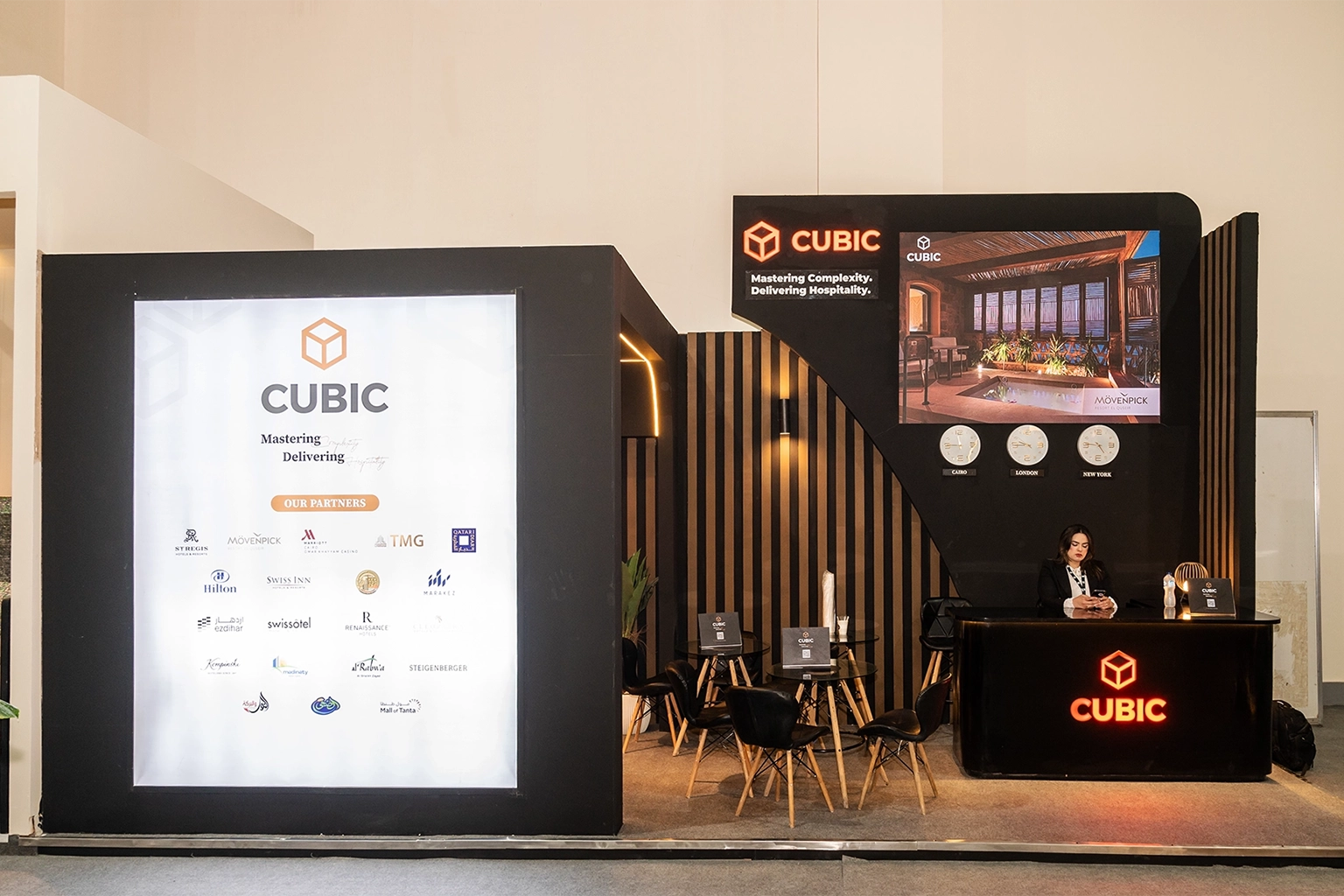
On a live show floor, exhibition & trade show management is not just booth design. It is the operating model that keeps freight moving, labor arriving on time, approvals in place, and the stand ready for handover before the hall opens. For exhibitors, the work starts well before build day and continues through closeout.
Large halls create pressure points fast. Freight-in windows are fixed. Labor schedules have to match venue access rules. Fabricators, AV teams, riggers, printers, caterers, and venue staff all need one working timeline. When that timeline slips, the usual failure points show up quickly:
That is why trade show planning has to be treated as a sequence, not a checklist. This article breaks that sequence into practical stages: pre-show readiness, on-site logistics, vendor control, and post-show reporting. It also shows how booth performance should be measured after the event, not only by build quality but by delegate flow, lead capture, and the quality of handover at closeout.
For teams managing exhibitions in the MENA region, that means planning for venue rules, multilingual staffing, and protocol requirements from the start.
Pre-show logistics planning for large-scale exhibitions
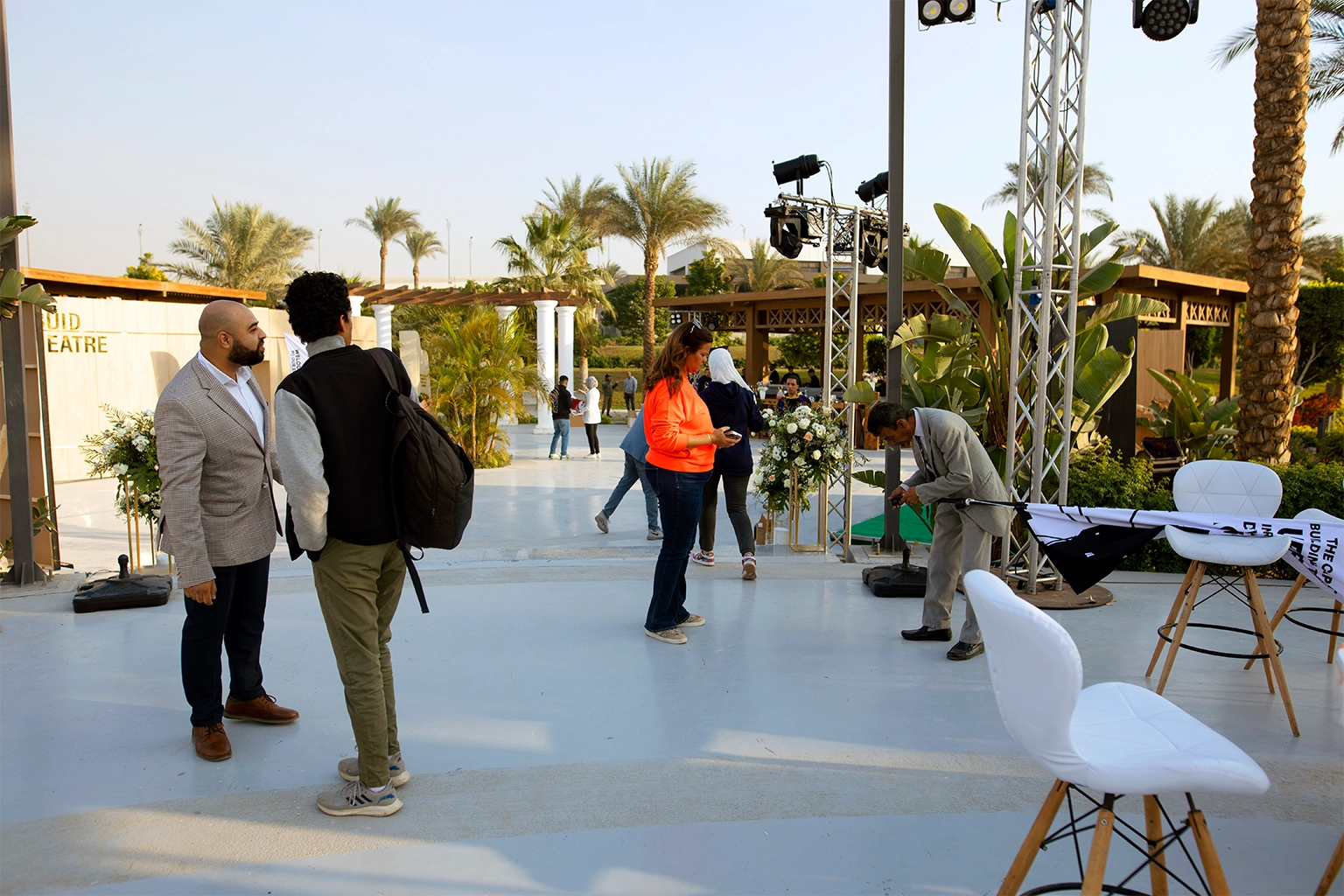
Effective exhibition & trade show management starts well before move-in. The first step is to map the full operational timeline: initial brief, floor plan sign-off, build approvals, freight-in, labor call times, and final floor handover. If those milestones are not sequenced early, the booth may still look complete on paper while the show floor is waiting on permits, access windows, or late deliveries.
From there, build one master calendar that covers labor scheduling, rigging, AV, printing, and catering. Each vendor should know when they enter, what they need on site, and who signs off at each stage. This reduces rework and keeps the build moving in the right order, especially in large halls where multiple contractors are active at once.
For MENA exhibitions, the plan should also account for multilingual staffing, VIP and protocol handling, and cross-border delivery realities. Customs timing, regional venue rules, and last-mile freight coordination can affect both setup and opening day readiness. Sara Events' exhibitions & booth design approach reflects this operational model: concept, fabrication, and on-ground management are treated as one delivery chain, not separate tasks.
How to coordinate vendors, labor, and venue teams under one schedule

Large-scale exhibition & trade show management depends on one control document: a master schedule that names every task, owner, and handoff. That schedule should cover freight-in, build approvals, install windows, AV testing, catering drops, access control, and show-floor handover in the exact order they must happen. When fabricators, riggers, printers, caterers, and venue staff all work from separate notes, delays multiply fast.
Use a single run sheet with call times, site rules, loading bay instructions, storage locations, and contact details for each lead. Assign one person to each critical step, including who signs off on graphics, who clears rigging, who confirms power, and who receives delivered materials. This is the point where operational discipline matters more than booth aesthetics.
Set escalation paths before the build starts. If materials are missing, a truck is late, or the venue changes access rules, the on-site lead should know exactly who can approve a workaround and who must be notified immediately. That keeps decisions moving without waiting for a chain of messages.
Track equipment movement as carefully as the build itself. Label crates, record what enters storage, and confirm what returns after teardown. For multi-day shows, this also includes daily asset checks, replenishment, and recovery of rented items before the hall closes.
The strongest tool on-site logistics planners use is not more labor; it is tighter sequencing. Freight-in before install, install before testing, testing before doors open.
Sara EventsThat is how event planners keep venue teams, vendors, and booth crews aligned under one schedule.
Trade show setup and on-site execution best practices
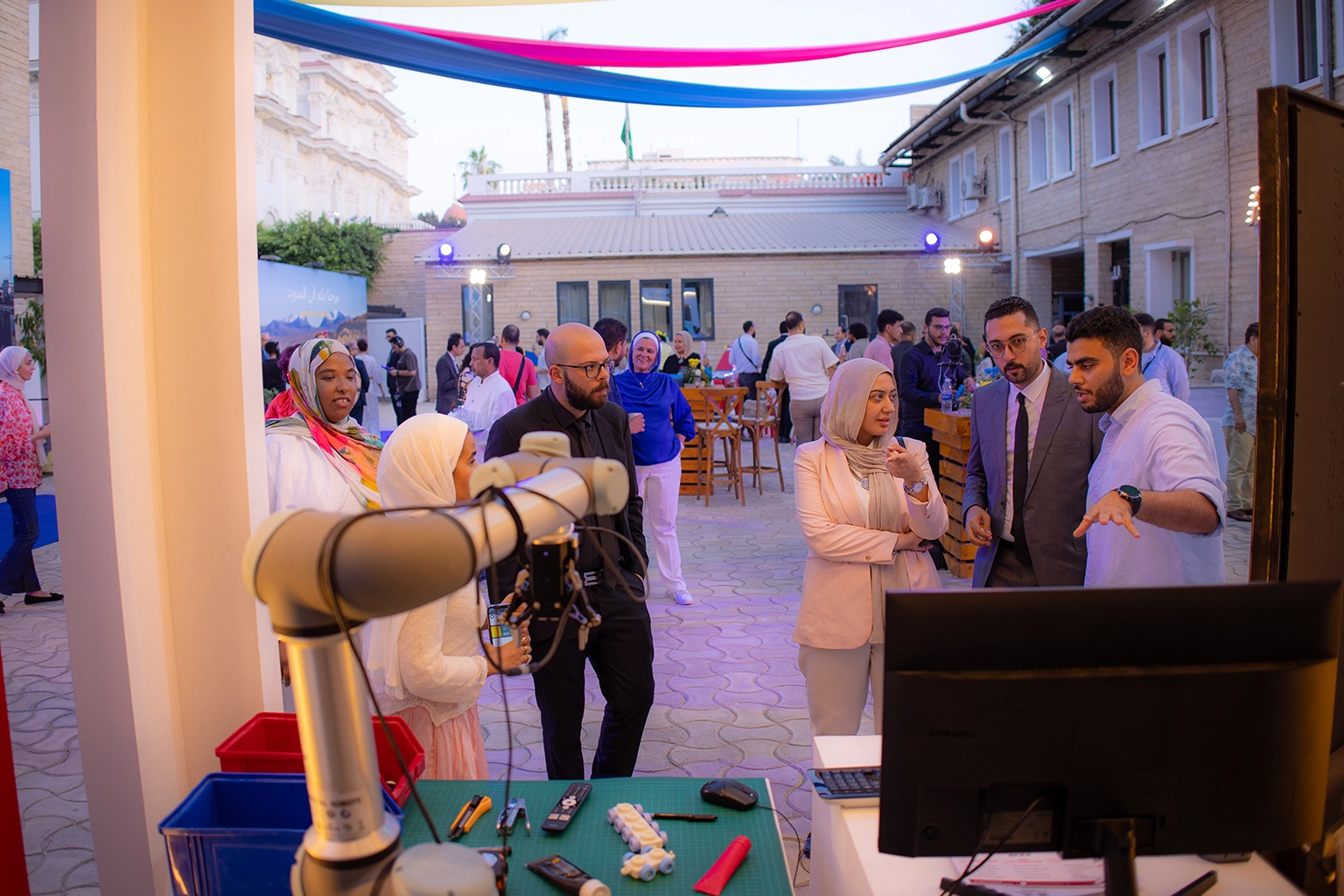
Successful exhibition & trade show management starts with a controlled build sequence, not with the first visitor. The booth should move through installation, AV testing, lighting checks, and final dressing in that order, with each step signed off before the show floor opens. That reduces last-minute rework and gives the team time to correct cable runs, screen alignment, print placement, and product display issues before traffic begins.
Once the structure is in place, confirm visitor flow from the aisle inward. Signage should be visible from a distance, and staffing positions should be assigned so greeters, product specialists, and lead capture staff are not blocking entry points. For larger stands, this is where on-ground management matters most: one lead should monitor timing, vendor arrivals, and floor readiness while the rest of the team stays focused on engagement.
Build contingency plans for the issues that disrupt trade show operations most often:
| Common disruption | Impact on the show | Mitigation |
|---|---|---|
| Power faults | Dead screens and demos at peak traffic | Load testing plus spare cabling and circuits |
| Late freight | Incomplete stand at doors-open | Buffer windows and backup contact lists |
| Missing graphics | Weak brand presence on day one | Spare printed collateral and a local printer on call |
| Labor gaps | Build steps slip out of sequence | Named owners per step and clear escalation path |
| Demo equipment failure | Lost engagement at the stand | Test under show conditions, not just during setup |
The standard for success is not only a polished build. It is whether the booth stays operational during peak traffic, supports productive conversations, and captures leads without friction. Strong setup discipline improves show-floor performance, and that is what turns booth presence into measurable event output. For teams comparing partners, look for exhibition and booth design support that includes build control, staffing coordination, and live show management.
What proven trade show results should look like after the event
In exhibition & trade show management, the booth is only one part of the result. A strong show should end with measurable outcomes: the number of qualified conversations held, lead volume captured, and how many contacts are ready for follow-up within 24 to 48 hours. If the team cannot report who was met, what was discussed, and what action comes next, the event has not been fully delivered.
Post-event lead reporting should be built into the delivery model, not treated as an extra task. That means delegate or visitor data is checked, categorized, and handed over in a format the sales or account team can use immediately. For exhibitors working across MENA, this also means multilingual notes, clear contact ownership, and a clean handoff after the show floor closes.
Operational success also includes teardown, dismantling, transport, and asset recovery. Materials should be packed, labeled, and returned against a closeout list so nothing is lost between hall exit and storage. The build is not complete until the booth, graphics, AV, and reusable assets are accounted for.
A proper post-show debrief should answer three questions:
A capable partner proves value through execution, reporting, and disciplined closeout, not just through booth appearance. This is the standard that should guide any exhibitions & booth design service.
Request a Tailored ProposalWatch: exhibition and event production by Sara Events
A look inside the Egypt Urban Campaign build - concept, fabrication, and on-ground delivery by the Sara Events team.
Planning an exhibition or trade show presence?
Share your event basics and Sara Events will scope the right approach - booth design, fabrication, logistics, staffing, and on-site management included.
- Response within 24 hours
- Dedicated account manager
- Free initial consultation