


6 Non-Negotiables for Planning a Corporate Event: The Standards That Decide Whether It Works
A successful corporate event is not about how it looks. It is about how it works, what it achieves, and how people experience it. These are the six standards we never compromise on - what each one means in practice, how to test a provider against it, and the specific failure each one prevents.
Why "it looked great" is not a result

Most post-event debriefs open with the wrong sentence. Someone says the room looked great, the photos came out well, and the caterer did a good job - and the meeting moves on. Nobody asks whether the two hundred people in that room did the thing the event existed to make them do.
That gap is not a failure of taste. It is a failure of standards. An event brief usually specifies a date, a headcount, a venue preference and a budget. It rarely specifies what has to be true afterwards, who owns each moving part, or what the organisers will refuse to compromise on when the schedule tightens - and it always tightens.
The six standards below are the ones that decide the outcome. They are deliberately not creative principles; they are operating rules. They apply to a fifty-person leadership offsite and a nine-hundred-delegate forum equally, and they work as a checklist against your own brief before you ever contact a provider - and as a scoring sheet once you do.
| Symptom on the day | What the audience concludes | Which standard was skipped |
|---|---|---|
| Beautiful room, guests queuing at the door for 20 minutes | Disorganised | 1. Guest experience over aesthetics |
| Catering arrives during the main session | Amateur | 2. Seamless logistics |
| Delegates cannot see the screen from half the room | Not worth attending | 3. Venue serves the objective |
| Guests unsure where to go after the opening | Confusing | 4. A clear flow |
| Great day, no decisions and no follow-up | A nice event, no impact | 5. Every event needs a purpose |
| Microphone fails during the CEO address | Embarrassing | 6. Technology serves the experience |
1. Guest experience over aesthetics
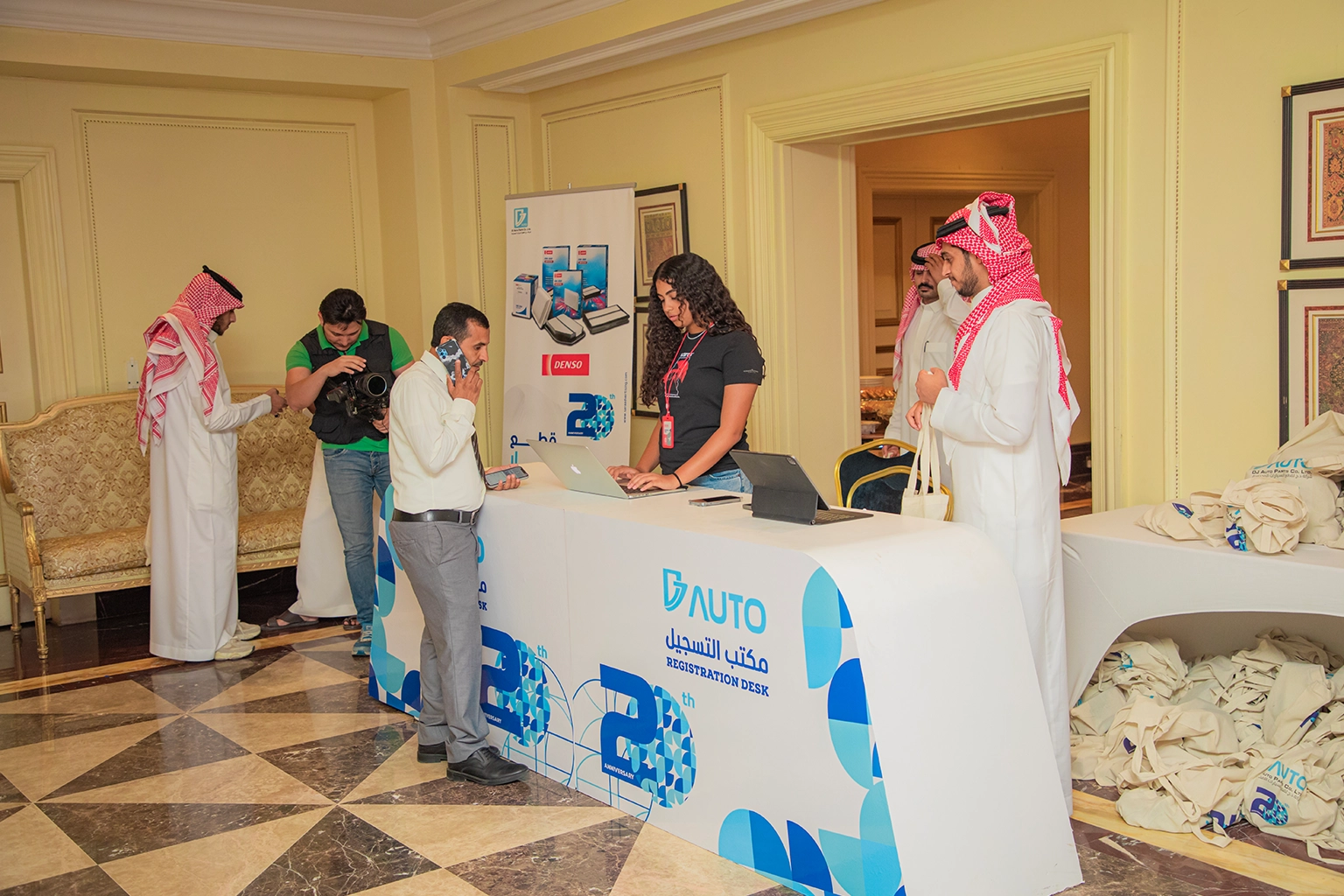
What it means. Every design decision is judged by what it does to the person standing in the room, not by how it photographs. A dramatic entrance installation that narrows the doorway and creates a queue has failed, however good it looks in the recap video.
In practice. Walk the guest journey physically before the event: arrival at the gate, parking, the walk to the door, registration, the wait before doors open, finding a seat, finding the toilets, the break, the exit. Each of those is an experience the guest actually has, and most of them appear nowhere in a typical event proposal.
How to test a provider. Ask them to describe the first fifteen minutes of the guest journey in order, naming who is standing where. A provider who answers with the decor concept rather than the arrival sequence is designing for the camera.
The failure it prevents. The most damaging impression at a corporate event is formed before anyone sits down. Senior guests and external partners judge the organisation on the door, not the stage.
2. Seamless logistics
What it means. Everything the audience is not supposed to notice - deliveries, load-in, staff movements, catering staging, waste, spare equipment, supplier access - is planned to be invisible. Logistics is the discipline of removing friction the guest never learns existed.
In practice. A working logistics plan states load-in and load-out windows, who has venue access and when, where catering stages before service, how service clears without cutting across the programme, and what the escalation route is when a supplier is late. It also names the person who decides, in the moment, when the plan has to change.
How to test a provider. Ask for a real timeline from a previous event of comparable size - not a template. Then ask one question: what went wrong on that event and who fixed it? A provider with genuine operating discipline answers immediately and specifically. A provider who says nothing ever goes wrong has either not run enough events or is not being straight with you.
The failure it prevents. Catering arriving mid-session, a supplier van blocking the guest entrance, or a technical crew still working when the first guests walk in.
3. The venue must serve the objective
What it means. The venue is chosen because it does what the event needs, not because it is impressive or familiar or because a rate was available. A ballroom that seats six hundred is the wrong room for a ninety-person working session, and a beautiful heritage property with a single narrow entrance is the wrong venue for a timed arrival of four hundred delegates.
In practice. Match the room to the format before anything else. Decision-making sessions need sightlines between participants - boardroom or hollow square. Presentation-led programmes need clear sightlines to the screen from every seat, which is a function of ceiling height and column placement, not floor area. Workshops need round tables and circulation space for facilitators. Recognition evenings need a stage that the whole room can see without turning their chairs.
Then check the operational realities that decide whether the room can actually be built: load-in access and lift dimensions, floor loading for staging, rigging points if anything hangs, power supply and whether a generator is needed, acoustic behaviour of the space, and the setup window the venue will actually grant you.
How to test a provider. Ask why they are recommending this specific venue for this specific objective, and what its weakness is. Every venue has one. A provider who cannot name it has not inspected the site properly.
The failure it prevents. A venue that quietly fights the agenda all day - poor sightlines, bad acoustics, a room that cannot be reconfigured between sessions in the time available.
4. A clear flow
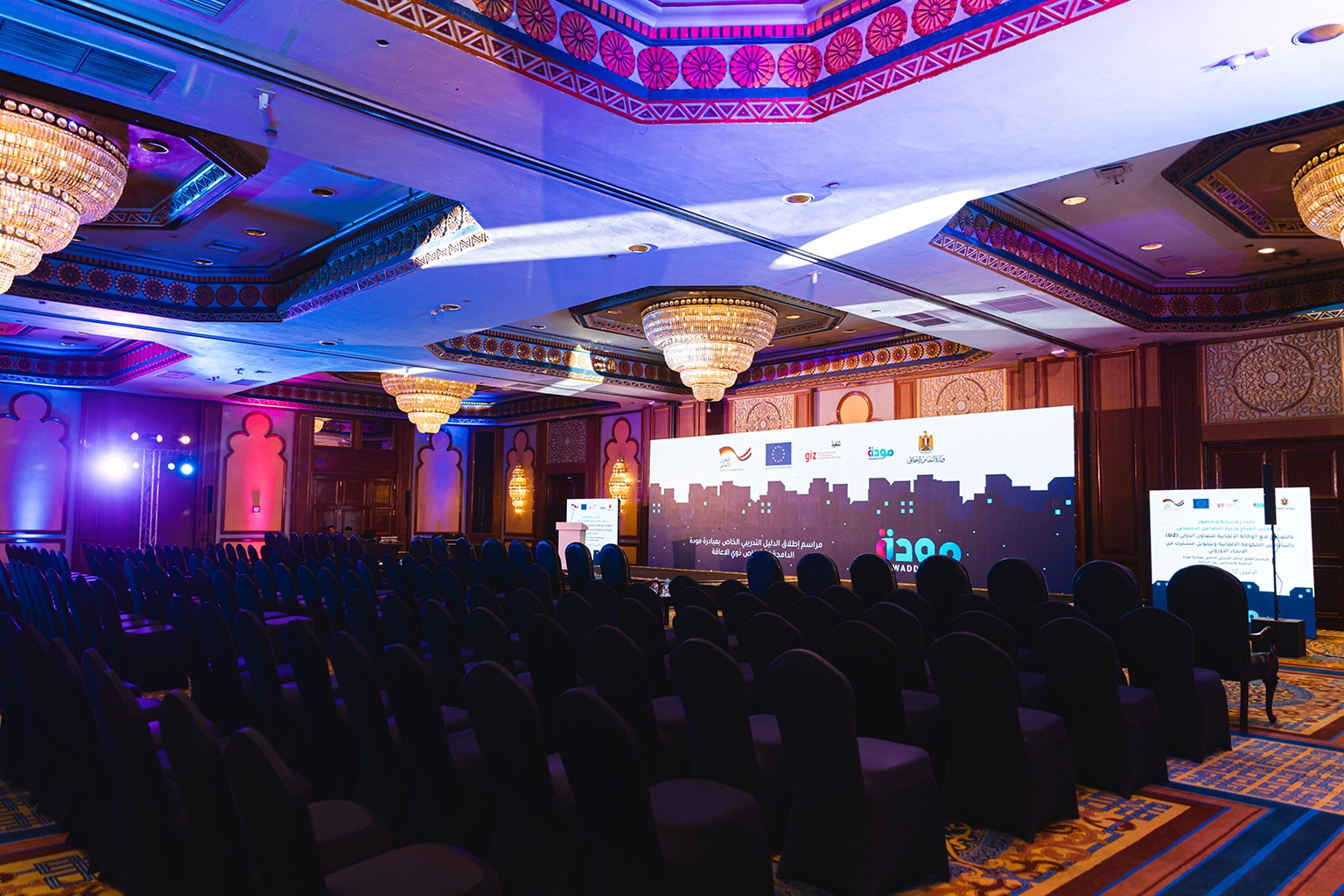
What it means. At every moment, a guest knows where they are supposed to be and what happens next - without asking anyone. Flow is both physical (how people move through the space) and temporal (how the programme progresses without dead air or overrun).
In practice. Physical flow is designed by walking the routes: entrance to registration to holding to main room to break area to toilets and back, checking where two hundred people will bunch. Temporal flow lives in the run-of-show: a minute-by-minute document with technical cues and a named person responsible for each line, shared with every supplier team rather than kept by one coordinator.
Signage, staff positioning and a briefed floor team do the rest. The test of good flow is simple: after the opening session ends, does the room move to the break without anyone announcing it three times?
How to test a provider. Ask to see a sample run-of-show from a real event. If they cannot produce one, they are selling coordination they do not practise. This single request separates operators from agencies faster than any other question.
The failure it prevents. Transitions that leak ten minutes each until the closing address is delivered to a room that is already leaving for their cars.
5. Every event needs a purpose
What it means. One sentence, agreed before anything is booked, describing what has to be different afterwards. Not a theme, not an occasion - an outcome. "Align the regional leadership team on the three-year plan and leave with owners assigned." "Give two hundred distributors direct product contact before the Q4 order cycle." "Recognise the top performers in front of their peers so retention improves in the sales team."
In practice. The purpose sentence becomes the tie-breaker for every subsequent decision. When the budget is tight, it decides what gets cut. When the agenda is overloaded, it decides what stays. When two venues are close, it decides which one wins. Without it, those decisions default to whoever is most senior in the room on the day, which is not a planning method.
How to test a provider. Ask what they would cut first if the budget dropped fifteen percent. A provider working to your purpose will answer in terms of your objective. A provider working to a package will offer to reduce the decor.
The failure it prevents. The event everyone enjoyed and nobody can justify in next year's budget cycle - because no one wrote down what it was supposed to change.
An event without a written purpose is an expense. An event with one is an instrument - and the difference is a single sentence agreed before anything is booked.
Sara Events6. Technology must serve the experience
What it means. Every technical element earns its place by doing something for the audience. LED walls, apps, registration systems, hybrid streams and interactive tools are means, not features to be listed in a proposal. Technology that impresses in the quote and complicates the day has failed the standard.
In practice. Start from the minimum that must work perfectly: tested projection or LED, wired and wireless microphones with spares, a sound check at real speaking volume, clean laptop handover between presenters, and a technician physically in the room for the full duration rather than on call. Everything beyond that has to justify itself against the purpose sentence.
Registration technology is the clearest example. QR check-in is worth it when it removes a queue and produces accurate attendance data you will actually use. It is not worth it when it introduces a scanner that fails on a weak connection and replaces a printed list that worked.
The same test applies to hybrid. Streaming a session because "we should" produces a remote audience watching a wide shot of a room they cannot hear properly. Streaming because remote participants must contribute requires proper room microphones, a managed platform and an operator monitoring the remote experience as a first-class audience.
How to test a provider. Ask what they would remove from their own technical proposal if you asked them to simplify it. A provider who has thought about the audience can identify the parts that exist for the deck rather than for the day.
The failure it prevents. The single most public failure in corporate events - a microphone that does not work while a senior leader is speaking.
How to apply the six before you contact anyone
These standards are most valuable used on your own brief first, because a brief that answers them produces better proposals and far fewer surprises.
Then use the same six as a scoring sheet across shortlisted providers. Ask each one the test question under each standard, and compare their answers rather than their portfolios. The differences show up immediately, and they show up in the areas that decide the day rather than in the areas that decide the render.
For buyers in Egypt and the wider MENA region, add one regional layer to every standard: bilingual signage and materials, prayer-time buffers in the agenda, seating precedence where government or diplomatic guests attend, and arrival sequencing for senior guests. These are not extras - they are the difference between an event that feels professionally hosted and one that feels improvised.
How Sara Events applies the six
This is how we approach every event we plan: strategically, intentionally, seamlessly. In delivery terms that means the six standards map onto named workstreams rather than good intentions - event strategy and planning, production and technical management, registration and delegate flow, catering and hospitality coordination, VIP and protocol management, and on-ground execution on the day, delivered across Egypt, KSA, UAE and the wider region.
The operating principle behind all six is single accountability. One team holds the handoffs, so when a session runs long, one person decides whether to compress the break or move the catering call - and the kitchen, the technical crew and the floor team all hear the same instruction at the same moment. That is what makes the standards enforceable rather than aspirational.
The recap below shows the same discipline in delivery: a corporate conference produced end to end, from room setup and technical management to registration and on-ground coordination.
Because the best events do not just look impressive. They deliver.
Frequently asked questions
Which of the six matters most?
Purpose, because it decides the other five. Once the outcome is written down, the venue, the flow, the technology and the logistics all have something to be judged against. Without it, every decision becomes a matter of taste.
Do these standards apply to small internal events?
Yes, at reduced scale. A thirty-person offsite still needs a purpose sentence, a room that fits the format, a flow that does not leak time, and sound that works. What changes is the size of the delivery team, not whether the standards apply.
What is the single fastest way to test a provider?
Ask for a real run-of-show from a comparable past event, and ask what went wrong on that event and who fixed it. Those two answers reveal operating discipline more reliably than any portfolio.
How much of the budget should go to technical production?
There is no universal percentage, and any provider quoting one is guessing. Start instead from the minimum that must work perfectly for your format - tested display, microphones with spares, a technician in the room - then add only what serves the purpose sentence.
Who should own the event internally?
One named person with authority to approve changes on the day. The most common internal failure is an event managed by a committee, where every mid-event decision has to be escalated and the delay becomes visible to guests.
The six, in one place
Planning a corporate event?
Share your objective and Sara Events will scope the right approach - venue, production, registration, catering, protocol and on-ground delivery included.
- Response within 24 hours
- Dedicated account manager
- Free initial consultation