


Corporate Team Building, Retreats and Offsites in Egypt and MENA: Choosing the Format, Venue and Delivery Team
Most companies book one of these three formats using the wrong name for it - and then wonder why the day did not do what leadership expected. This guide separates team building from retreats from offsites, prices the venue decision honestly, and shows what an internal event actually needs on the ground before HR is left running it alone.
Team building, retreat, offsite: three different events booked under one word
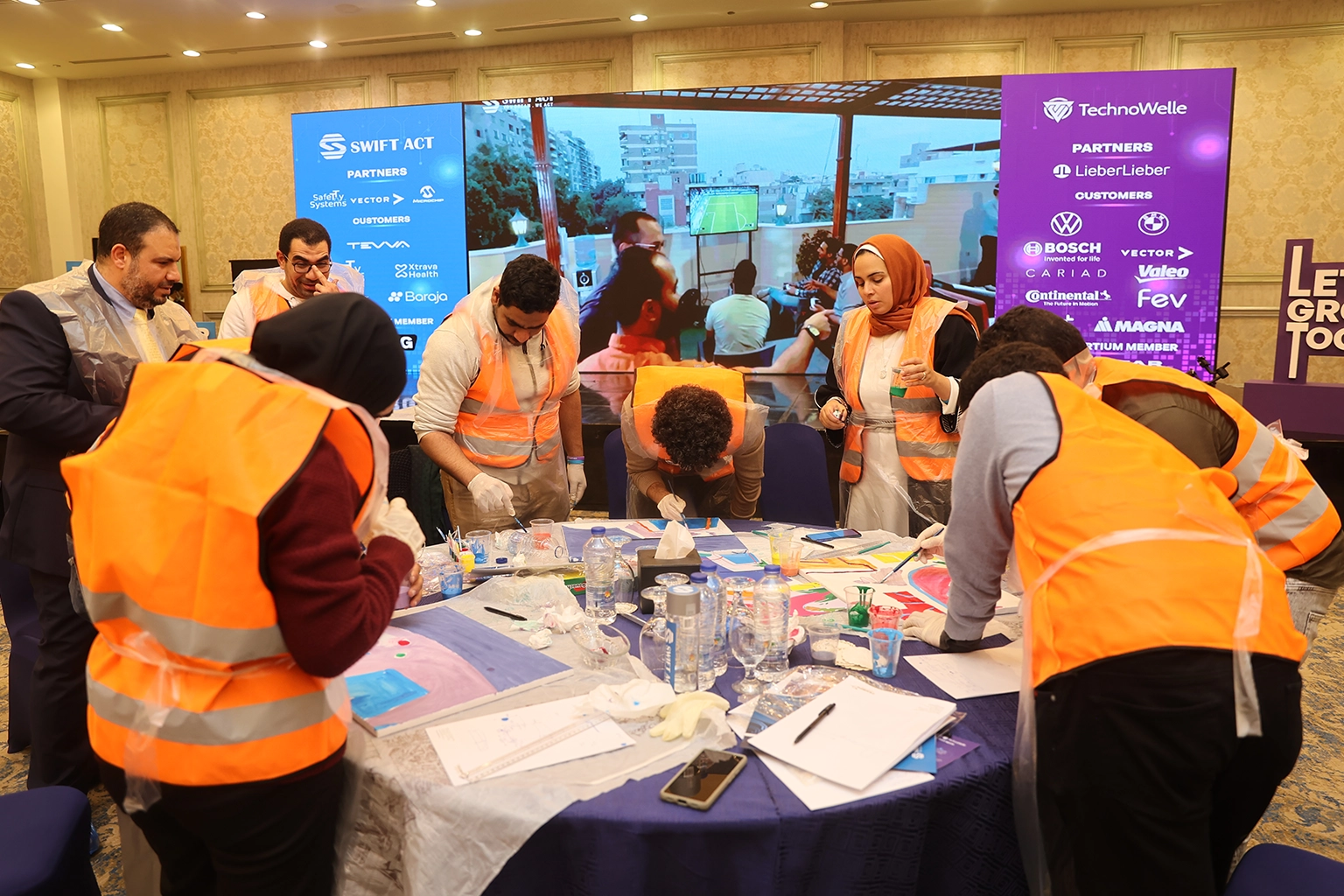
Ask five HR managers to describe their "team day" and you will get five different events. That confusion is not cosmetic - it decides the venue, the budget, the agenda, and whether the day produces anything leadership can point to afterwards. Three formats sit under the same casual label, and they are built differently.
A team building day is an activity-led event with a behavioural objective: break silos, integrate new joiners, rebuild trust after a restructure, or simply give a team a shared memory. The agenda is mostly activity, the content load is light, and success is measured in participation and mood.
A corporate retreat is a multi-day, off-location event where the point is distance - physical and mental - from the office. It mixes working sessions with recovery time and social programming. It carries travel, accommodation, and duty-of-care obligations that a single day does not.
An offsite is a working meeting that happens to be held away from the office. The agenda is dense, the outcome is decisions, and the "away" part exists to protect focus, not to entertain. Treating an offsite like a team building day is the single most common failure we see: leadership arrives expecting to finish a strategy and finds a schedule built around games.
Get the naming right in the brief and everything downstream - venue, duration, catering pattern, production requirement - resolves quickly. Get it wrong and you will be re-planning in week three.
| Format | Primary objective | Typical duration | Venue that fits | Where the budget goes |
|---|---|---|---|---|
| Team building day | Behaviour: trust, integration, morale | Half day to one day | Open-air space, beach, activity venue, hotel garden | Facilitation, activities, production, transport |
| Corporate retreat | Reset plus alignment over several days | Two to four days | Resort or out-of-city property with rooms | Accommodation, travel, F&B, programming |
| Offsite / working session | Decisions and output | One to two days | Meeting-grade venue with breakout rooms | Room setup, AV, facilitation, catering timing |
| Recognition or annual day | Celebration and visibility | Evening or full day | Hall, ballroom, or large open-air site | Staging, lighting, content, catering |
One more distinction worth writing into the brief: who the day is for. A team building event for 40 people in one department is a different operation from a 400-person company day pulling staff from three sites. The format may share a name; the logistics do not.
Choosing the venue: hall, beach, open-air, or somewhere unexpected
The venue is where internal-event budgets are won or lost, because every venue type shifts cost into a different line. The attractive option is rarely the cheap one once you price what it forces you to bring with you.
A hotel hall or ballroom
The safest choice for offsites and recognition evenings. Power, air conditioning, toilets, catering, parking and a wet-weather guarantee are all solved. The trade-off is atmosphere - a ballroom reads as work, which is fine for a decision-focused offsite and wrong for a day meant to feel different. Budget note: the room is rarely the expensive item; the food and beverage minimum is. Confirm that minimum against a realistic attendance figure, not the invite list.
A beach or coastal property
Strong for retreats and for team days where the objective is genuinely to reset. It buys you atmosphere no ballroom can. It also buys you travel time, accommodation, sun and wind exposure, sand-related equipment limits, and a much harder AV brief - outdoor sound needs more power and more coverage than the same headcount indoors. Build a shaded fallback into the plan, and confirm what happens to the schedule if the weather turns.
An open-air site or garden
Often the best value for a large single-day team event in Egypt for most of the year. Capacity is flexible, activity space is generous, and the setting does the work that decor would otherwise have to do. What you must budget separately: generator power, marquee or shade structures, flooring where the ground is uneven, toilets if the site lacks them, and a defined wet-weather or high-heat contingency.
Somewhere unexpected
A warehouse, a heritage property, a sporting venue, a rooftop. These deliver the strongest memory per pound spent and carry the highest operational risk, because nothing is pre-solved. Assume you are bringing power, catering infrastructure, seating, sanitary facilities, signage and licensing. A non-traditional venue is a production project, not a booking - price it that way or it will surprise you late.
The practical rule: match the venue to the objective, then price the venue plus everything the venue does not include. A site that quotes low and requires generators, structures and full catering build is frequently more expensive than a hotel that quoted high.
Activities and production: what actually has to be built
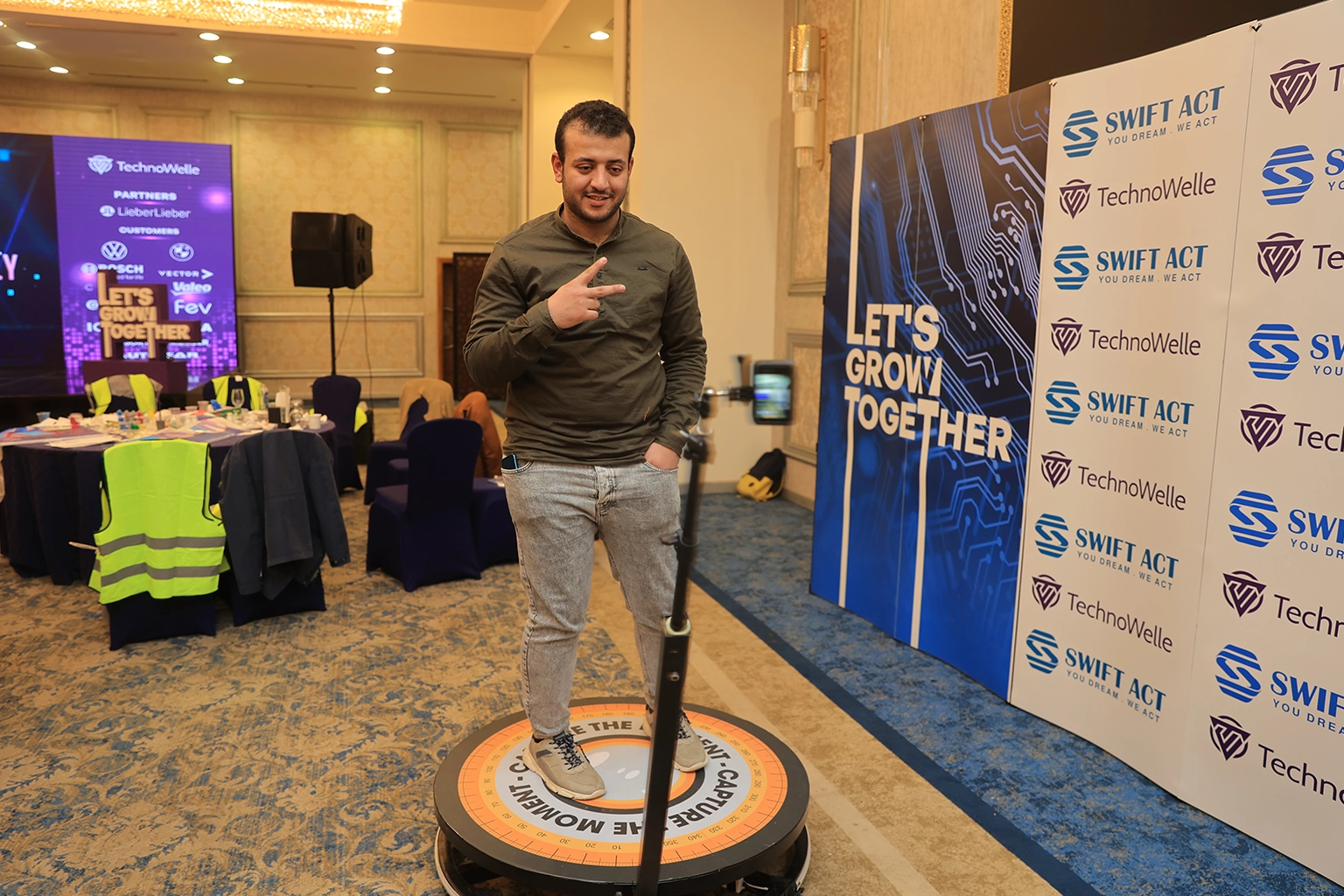
"Activities" is the word that hides the most work in an internal-event quote. On paper it is one line. On the ground it is a set of stations, each needing space, staffing, equipment, a safety brief, a rotation plan, and someone to reset it between groups.
A workable activity programme for a large team day usually combines three layers. Structured facilitated activities carry the behavioural objective and need a facilitator per group plus a defined rotation so nobody stands waiting. Self-serve engagement zones - photo activations, workshop tables, games, content capture points - absorb the gaps between sessions and give quieter participants a way in. Shared moments - the group photo, the awards segment, the closing address - are what people remember and what marketing uses afterwards, and they need staging, sound and a cue sheet like any other production.
Production for internal events is routinely under-scoped because the audience is "just staff". That reasoning fails in exactly one place: the microphone. The moment a CEO speaks to 300 employees outdoors on an underpowered PA, the message is lost and the day is remembered for the sound problem. Treat the technical brief for an internal event with the same seriousness as a client-facing one - tested sound at real speaking volume, spare microphones, a technician present rather than on call, and a rehearsal for anyone speaking.
Content capture deserves its own line. Photography and video from a team day feed employer branding, recruitment and internal comms for a year. Brief the photographer on the shots leadership will actually ask for - candid participation, the group shot, the recognition moment - rather than leaving it to chance, and agree the delivery deadline before the event, not after.
The logistics layer nobody budgets for
Internal events fail operationally in the gaps between the agenda items, and those gaps are almost never in the quote.
Transport. For an out-of-city day, bus logistics decide the schedule. Departure points, headcount per coach, a named coordinator per vehicle, and a realistic journey estimate for the actual day of the week are basic requirements. A single coach arriving forty minutes late reshapes the entire morning.
Arrival and registration. Even for staff, arrival needs managing: a welcome point, group allocation, any wristbands or badges for activity rotations, and dietary or medical flags collected in advance rather than discovered at lunch.
Accommodation, for retreats. Rooming lists, sharing arrangements, check-in timing against the first session, and a clear policy on what the company covers. Rooming is the most common source of complaints on multi-day retreats and it is entirely preventable with an early, confirmed list.
Duty of care. Any event with physical activity, water, heat or travel needs a stated first-aid provision, an incident escalation route, and an insurance position that someone has actually checked. This is not paperwork - it is the reason an HR director can sign off the day.
Prayer and meal timing. In Egypt and the wider MENA region, an agenda that ignores prayer times or schedules a heavy lunch immediately before the most important session is fighting itself. Build the buffers in at the agenda stage.
An internal event is judged by the moments the agenda does not mention: the bus that arrived late, the microphone that failed, the lunch queue that ate the afternoon.
Sara EventsDesigning the agenda: the shape of a day that works
Internal events fail on shape more often than on content. Too many blocks and the day feels like work; too few and it drifts. A structure that holds up across most team days and company days looks broadly like this.
The first hour is arrival, not programme. People arrive across a window, not at a moment - especially with coach transport. Fill that window with something optional and social: coffee, a photo point, a light warm-up activity people can join late without missing anything. Starting a formal session at the published time with half the room absent sets the tone for the day.
Put the leadership address early, not last. Attention is highest in the first ninety minutes and lowest after lunch. If the CEO or MD is speaking, place it in the morning while the room is full and alert. Closing addresses at the end of a long day are delivered to people watching the car park.
Structured activity before lunch, lighter after. The heaviest facilitated blocks belong in the late morning. After lunch, energy drops sharply for about an hour - schedule movement, a change of space, or a lighter activity there rather than the session you most need people to remember.
Protect the transitions. Every move between spaces costs ten to fifteen minutes with a large group, and agendas routinely allocate five. Build the real number in, or the day compresses from the back and the closing moment gets cut.
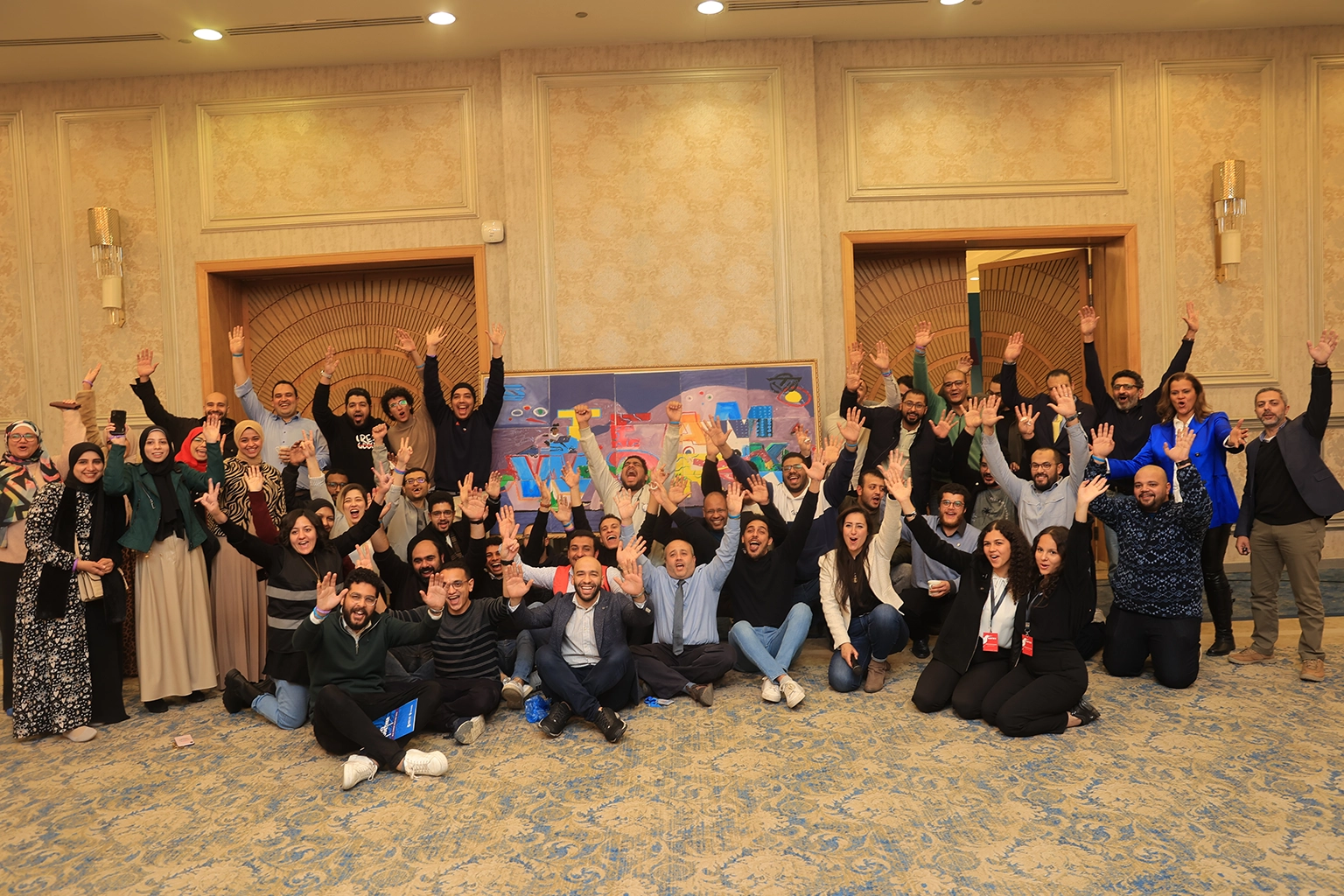
End with a shared moment. The group photo, the recognition segment, the closing thank-you. It gives the day a defined ending, and it produces the single asset internal comms will use most.
One agenda test before you sign it off: read it as an attendee, not as an organiser. If there is a point where you would not know where to go or what is expected of you, that is where the day will lose momentum.
How to measure an internal event
Internal events lose budget in the following year because nobody measured them. "Everyone enjoyed it" is not a result a finance director can defend. Four measures are practical and cheap to collect.
For an offsite, add a fifth: the decisions taken and the actions assigned, captured in the room and circulated within days. That single document is usually the difference between an offsite that changed something and an offsite that was a nice trip.
Set the measure before the event, not after. If the objective is integrating new joiners, the survey question should ask about that specifically - not general satisfaction.
What one accountable team removes from the HR plate
Most internal events are run by people whose actual job is something else. An HR manager books the venue, an office manager chases catering, an IT engineer is pulled in to handle the sound, and a marketing coordinator is asked to "grab some photos". Every one of them has a day job, and on the event day all four are unavailable to attend the event they organised.
Sara Events delivers team building days, retreats, offsites and annual company days as part of its corporate event management scope: venue sourcing and site inspection, activity design and facilitation staffing, production and technical management for staging, sound and lighting, catering coordination against the agenda, transport and arrival management, photography and video capture, and on-ground delivery on the day - across Egypt, KSA, UAE and the wider region.
The value is not the individual services; it is that one team holds the handoffs. When a session runs long, one person decides whether to compress the activity rotation or move the catering call, and that decision reaches the kitchen, the facilitators and the technical crew at the same time. A coalition of separate suppliers cannot do that, and neither can an HR manager who is also supposed to be participating.
The recap below shows a full corporate team day delivered end to end - activity zones, engagement stations, branded environment and the closing group moment.
Frequently asked questions
How far in advance should we plan a team building day or retreat?
For a single-day team event of up to about 150 people, six to eight weeks is workable. For a multi-day retreat with travel and accommodation, or any event above roughly 300 people, plan three months ahead - venue availability and coach fleets are the binding constraints, and both tighten sharply in peak season.
What is a realistic split between activities and free time?
For a team building day, roughly sixty percent structured activity, twenty percent shared moments such as the group photo and closing address, and twenty percent unstructured time including meals. Retreats invert this: more recovery and social time, fewer structured blocks. Offsites should be almost entirely working sessions with disciplined breaks.
Do we need production for an internal event?
You need production the moment someone has to speak to the whole group, or the moment the event is outdoors. Sound is the non-negotiable; staging and lighting scale with the audience size and whether there is a recognition segment. Content capture is worth budgeting for at any size, because the assets outlive the day.
Beach, open-air or hotel - which is cheapest?
Cheapest on the quote is usually open-air or a non-traditional site; cheapest once fully built is often the hotel, because power, catering, toilets, parking and a weather guarantee are already included. Compare total delivered cost, not venue hire.
How do we prove the event was worth it?
Set one measurable objective before you book anything, collect attendance and participation on the day, send a two-question pulse survey within 48 hours, and deliver a short closeout with the content assets attached. For an offsite, add the decisions and actions log.
Key takeaways
Any format. Any venue. Any location. The question is only who owns the handoffs on the day - and whether your own team gets to attend the event they planned.
Request a Tailored ProposalPlanning a team day, retreat or offsite?
Share the basics and Sara Events will scope the right format - venue, activities, production, transport, catering and on-ground delivery included.
- Response within 24 hours
- Dedicated account manager
- Free initial consultation