


Conference Management for Corporate and Institutional Events: Services, Costs, and Provider Choice
Conference management is less about decor and more about control: protocol, delegate flow, speaker timing, and the handoff between registration, stage, and technical teams. This guide covers what each service includes, how packages are priced, how hybrid delivery changes staffing, and how to choose a provider in MENA.
What conference management covers for corporate and institutional events
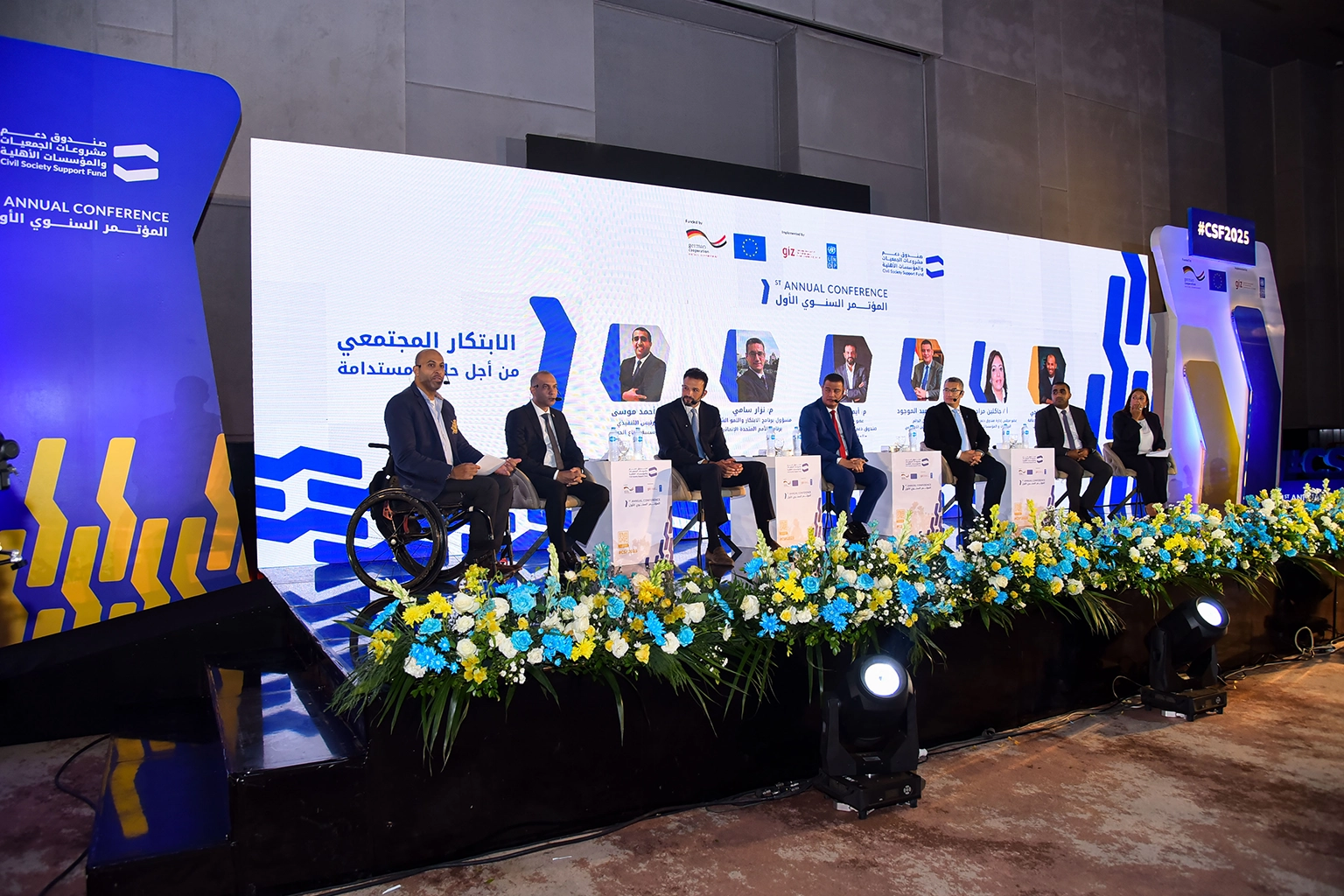
Conference management is the coordinated planning, production, and on-ground management of a conference or forum from the first brief to the final report. For corporate, NGO, and institutional events, the work is less about decor and more about control: protocol, delegate flow, speaker timing, and the handoff between registration, stage management, and technical teams.
That matters because these events often carry formal agendas, VIP attendance, public-sector stakeholders, or development partners who expect clear process and accurate delivery. A delayed registration queue, a missed interpretation feed, or a speaker running over time can affect the whole programme. Strong conference management reduces that operational risk and keeps stakeholders informed.
Buyers should expect core service areas such as delegate registration, badge printing, AV and event production, interpretation support, VIP and protocol management, catering coordination, and post-event reporting. For hybrid formats, the scope also expands to streaming, remote participation, and digital moderation. Sara Events' conference & association event management and hybrid & virtual events pages reflect this delivery model.
This article focuses on measurable delivery: what each service includes, how pricing is usually structured, when hybrid delivery changes staffing, and how to choose between a local, national, or regional provider in MENA.
Conference management service features to expect in a corporate event package

A serious conference management package should start with concept development and run-of-show planning. Those two elements define the agenda, speaker flow, cue points, and timing discipline that keep a conference on track. For NGOs, associations, and development organizations, this planning layer is especially important because sessions often involve multiple stakeholders, formal remarks, and fixed protocol requirements.
From there, the service scope should cover production and on-ground management. Expect stage and set design, AV setup, lighting, interpretation booths, technical management, and rehearsals before doors open. For hybrid or multi-room formats, the package should also include streaming support and live coordination across rooms, as outlined in Sara Events' hybrid and virtual events service.
Operational delivery should also include:
These are not administrative extras; they shape the first impression, control access, and reduce delays at check-in and on stage. For institutional events, accuracy in names, titles, seating, and speaking order matters as much as the venue itself. Sara Events' conference and association event management page reflects this full-stack approach, from strategy to on-ground execution across MENA.
For development and institutional conferences, the most important features are timing control, protocol accuracy, and clear production ownership.
What conference management package costs look like for mid-size company events

For a mid-size conference, pricing is usually driven less by a flat "per event" rate and more by scope: delegate count, venue complexity, production level, and staffing needs. A 100-person leadership forum in one meeting room will cost far less than a 300-delegate conference with breakout sessions, stage management, interpretation, and a live stream.
| Scope element | Basic coordination | Full-service | Hybrid-ready |
|---|---|---|---|
| Planning support and supplier booking | Included | Included | Included |
| Run-of-show control and on-ground management | Included | Included | Included |
| Delegate registration and badging | - | Included | Included |
| Speaker coordination and AV planning | - | Included | Included |
| Catering oversight and reporting | - | Included | Included |
| Streaming and remote participation tools | - | - | Included |
| Platform management and extra technical crew | - | - | Included |
Hybrid delivery changes both staffing and production requirements, as outlined in Sara Events' hybrid and virtual events service.
For institutional and development events, budget should also account for protocol handling, bilingual content, simultaneous interpretation, and documentation. Those items are often not "extras" in practice; they are core delivery requirements for conferences with government, donor, or association stakeholders. Sara Events' conference and association management page notes coverage for delegate management, VIP protocol, interpretation, registration, staging, and AV under one team.
The lowest quote can become the highest-risk choice if the team cannot cover registration, interpretation, VIP protocol, and technical production under one scope.
Sara EventsWhen comparing proposals, ask for an itemized scope. That should separate strategy, production, registration systems, technical management, staffing, and post-event reporting. It also makes it easier to compare like for like across vendors, rather than judging one bundled price against another that excludes interpretation or on-ground support. For NGO and corporate buyers, that clarity is usually the difference between a workable budget and a costly gap on event day.
How hybrid and virtual conference management changes staffing and production
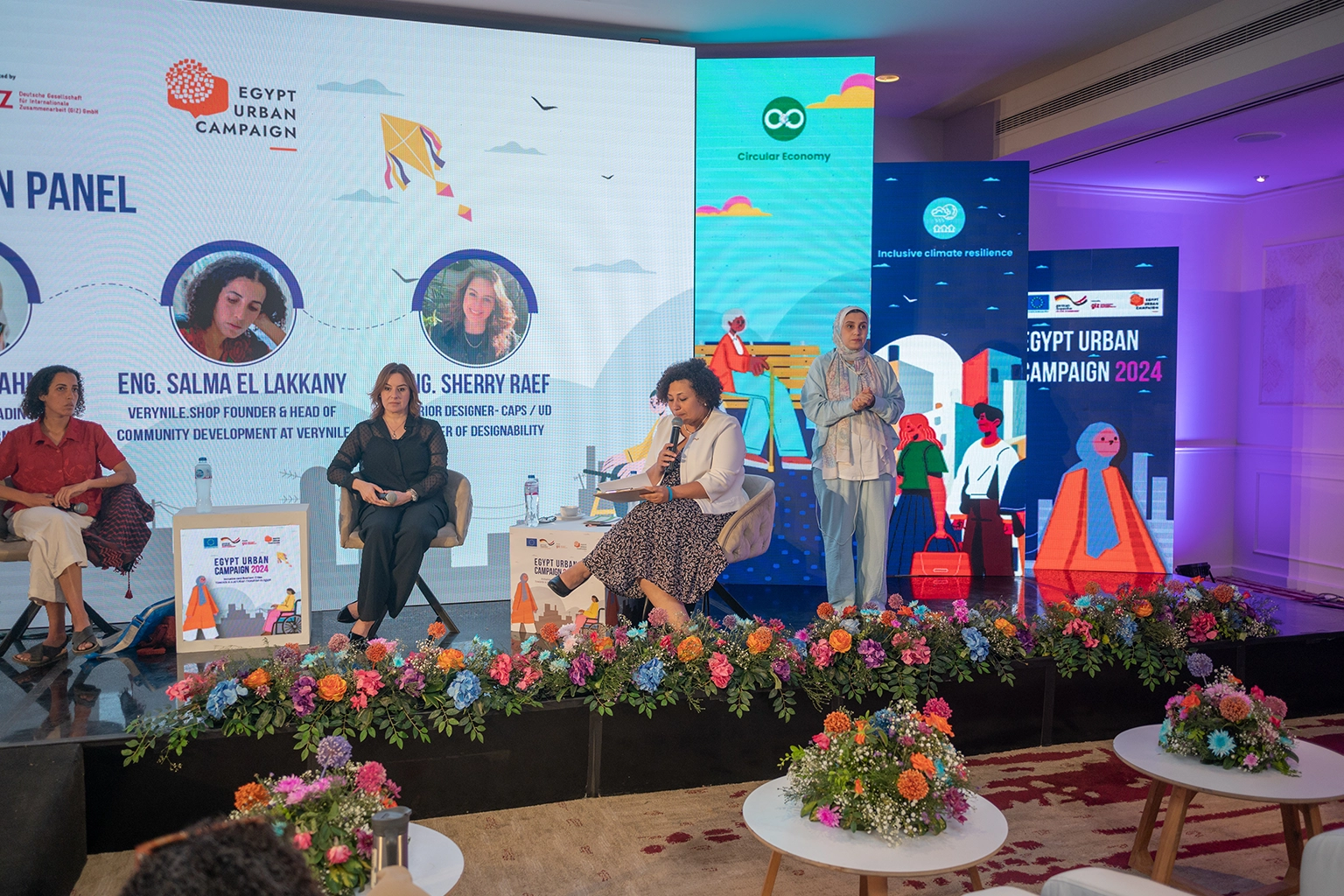
Hybrid delivery changes conference management from a room-based operation into a two-track production. You are no longer only managing the venue, speakers, and delegates on site; you are also running a live digital audience that expects the same level of control, timing, and access. As Sara Events notes in its hybrid and virtual events service, the core scope includes live streaming, remote participation tools, and platform management for the full event window.
The on-site crew must also coordinate more tightly with speakers, because slide timing, camera cues, and session handover now affect both audiences at once. In practice, the run-of-show has to be tighter, with clearer speaker briefs and firmer timekeeping.
The production checklist also grows. Live Q&A, polls, backup connections, and recorded on-demand access are no longer extras; they are standard expectations for hybrid formats. That means more testing, more contingency planning, and more attention to the attendee journey before, during, and after the session.
For NGOs, associations, and development teams, the benefit is stronger post-event reporting. Hybrid delivery gives you attendance data, engagement metrics, and a clearer record for stakeholders who could not attend in person. Sara Events' conference and association management page reflects this operational model: delegate management, interpretation, AV, and protocol are handled under one timeline, with reporting built into delivery.
How to choose between a local and national conference management provider
The right conference management partner depends on where the risk sits: venue access, protocol, staffing, or multi-country consistency. A local provider is usually stronger on venue familiarity, faster site response, and day-of coordination. That matters when the agenda is tight, the registration queue is moving, or a speaker change needs immediate action on the floor.
A national or regional provider is often the better fit when the event spans several cities, requires larger staffing depth, or needs the same operating standard across markets. For NGOs, associations, and development organizations running conferences in MENA, delivery experience in Egypt, KSA, UAE, and Libya is especially important because venue rules, supplier networks, and approval processes can differ sharply from one market to another. Sara Events' Conference & Association Event Management service is built around that regional operating reality.
Protocol knowledge also matters. When ministers, donors, UN agencies, or association leaders are involved, the provider should understand VIP arrival flow, seating order, escorting, and escalation lines without needing constant direction from the client team.
In practice, weigh travel time, supplier coordination, and escalation speed against the scale of the event. A one-city seminar may benefit from a local team with strong on-ground management. A multi-country forum, roadshow, or hybrid conference may justify a broader provider with deeper production and delegate registration capacity. The best choice is the one that reduces operational risk while matching the event's footprint.
How to evaluate conference management providers before you sign
Before you compare fees, test the provider's operating model. In conference management, the lowest quote can become the highest-risk choice if the team cannot cover registration, interpretation, VIP protocol, and technical production under one scope.
Run every shortlisted provider through this checklist:
A provider that has run conference and association events across MENA should be able to show how it handled run-of-show, speaker coordination, and on-ground management. If the event is hybrid, ask how remote participation, streaming, and moderation are handled; hybrid and virtual events require a different production plan than a room-only conference.
You should know who can make decisions on site, what issues require client approval, and how the provider coordinates with internal stakeholders, speakers, and protocol teams. For events in Egypt, KSA, UAE, and wider MENA, the right choice is the team that can prove both field presence and control of the full event production chain.
Request a Tailored ProposalWatch: conference delivery by Sara Events
Recap of the Civil Society Support Fund annual conference - staging, registration, protocol, and on-ground management by the Sara Events team.
Planning a conference or forum?
Share your event basics and Sara Events will scope the right approach - registration, interpretation, production, protocol, and reporting included.
- Response within 24 hours
- Dedicated account manager
- Free initial consultation